Pictura — colectie demonstrativa · DEMO-CMA-149656
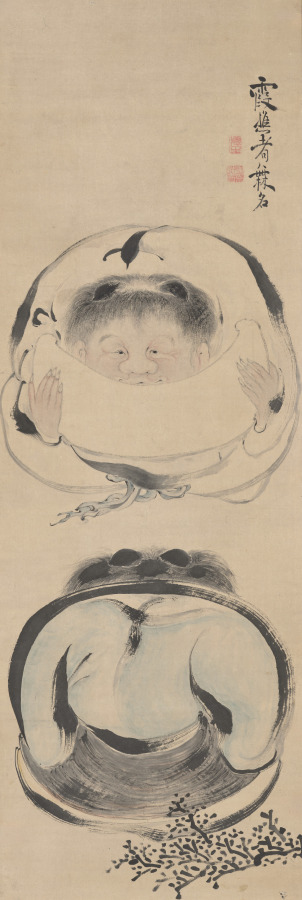
Hanshan and Shide
Hanshan and Shide are a pair of individuals associated with Chan, or Zen, Buddhism who lived on Mount Tiantai in China around the 700s to early 800s. In Japan, their nam…
Objets, images, descriptions et audioguide.
Hanshan and Shide are a pair of individuals associated with Chan, or Zen, Buddhism who lived on Mount Tiantai in China around the 700s to early 800s. In Japan, their nam…
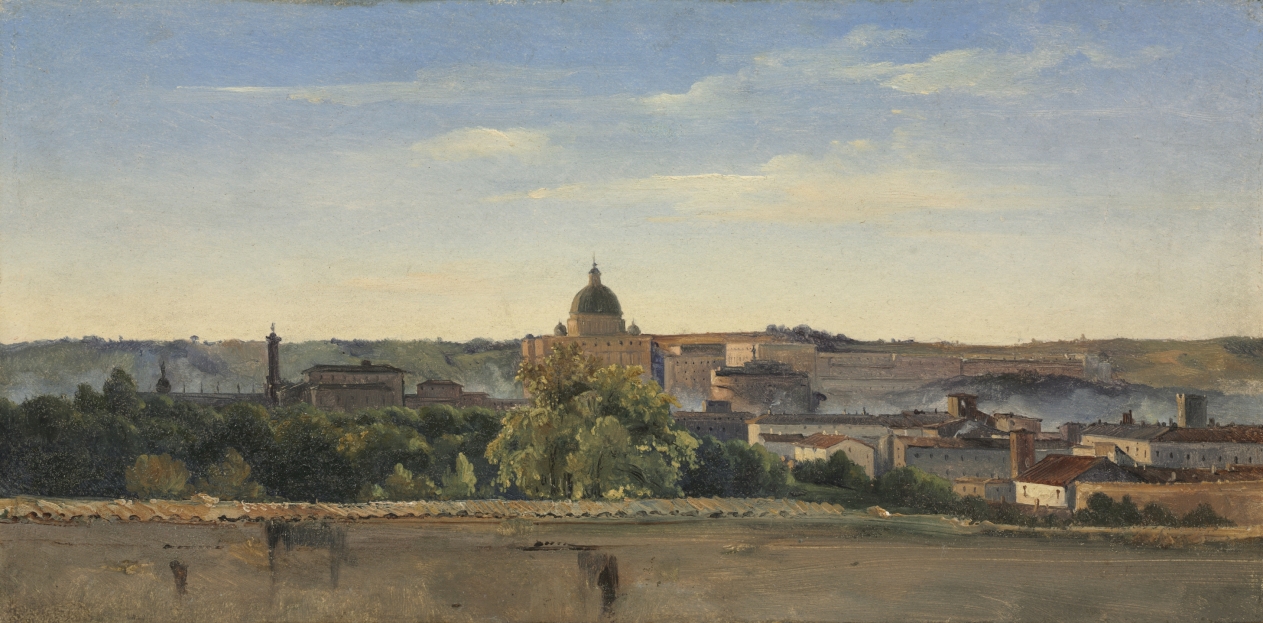
This oil sketch showing St. Peter's Basilica in the distance was painted during the artist's stay in Rome, 1777–85. Its spontaneity and freshness is typical of the artis…
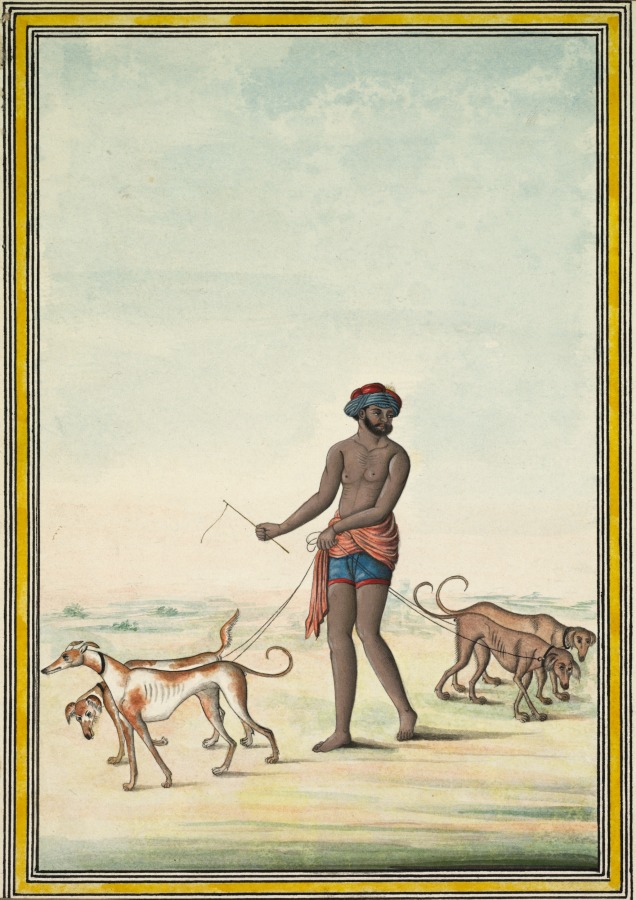
Made for a set that would have been sold to a British East India Company affiliate, this painting by an Indian artist depicts an Indian servant attempting to comply with…
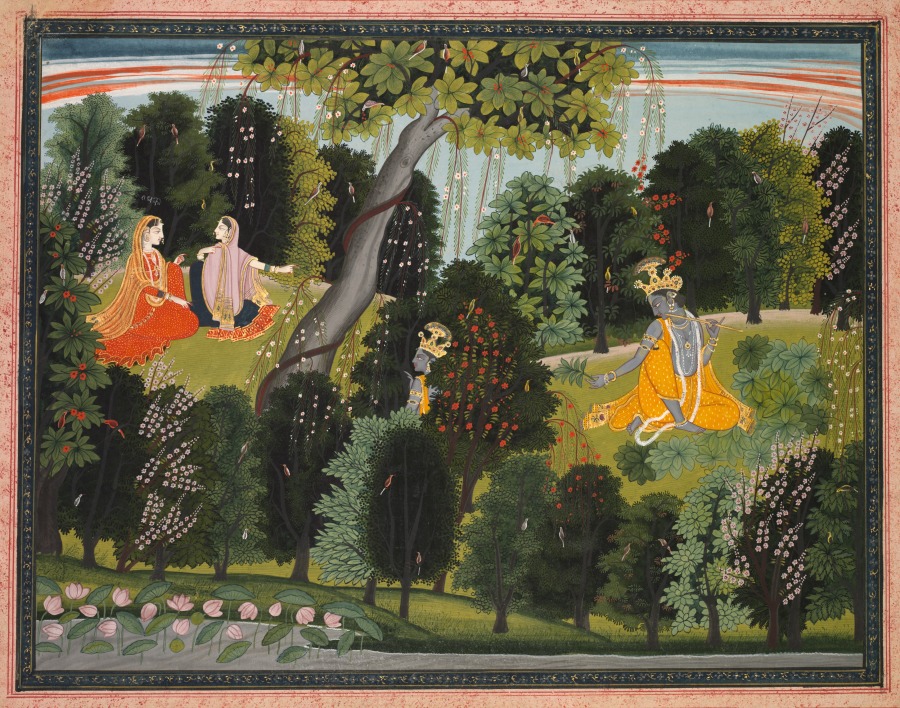
While all the cowherd girls were in love with Krishna, he had a favorite according to texts of the 1200s and later. Her name was Radha, and she and Krishna would meet fo…
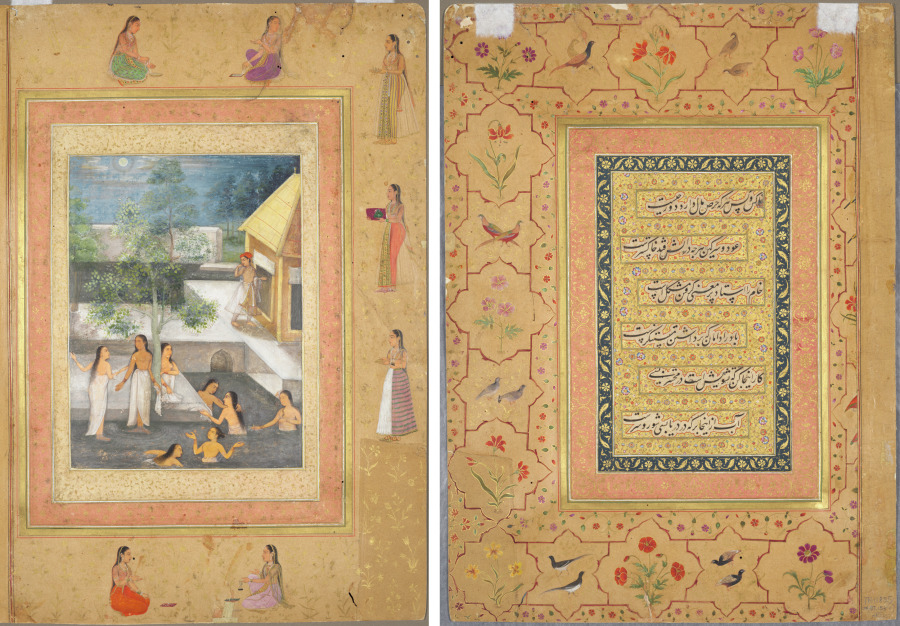
The subject of women bathing persisted throughout the 1500s and into the 1600s. Akbar’s grandson Shah Jahan—the Mughal emperor who built the Taj Mahal—continued to suppo…
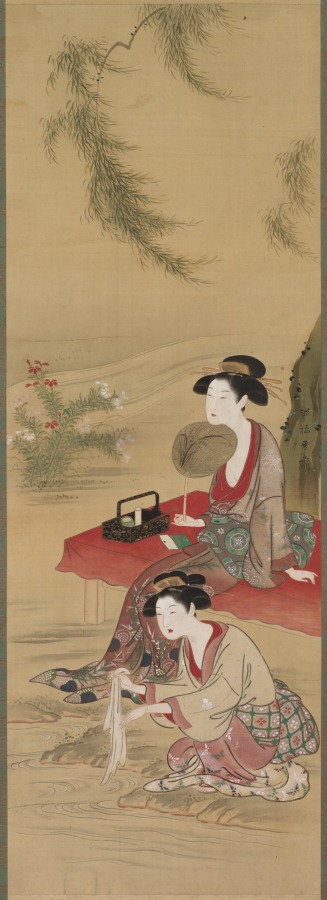
Two young women cool themselves by a river as a willow blows in the breeze. One crouches down to rinse a hand towel, while the other sits with her chin balanced on her f…
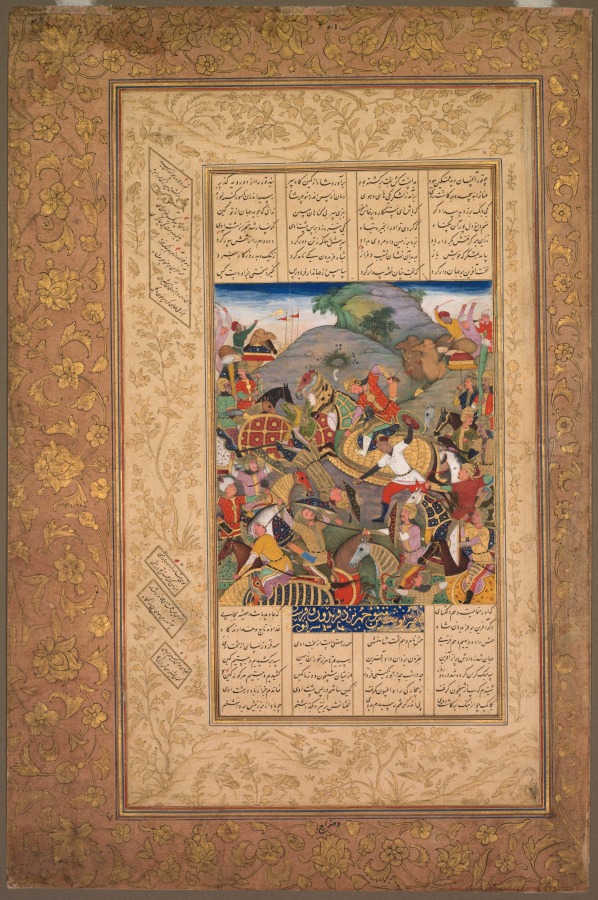
This battle sets the stage for the ages-long enmity in the epic Shah-nama between the people of Iran and Turan—identified as Turkistan, the lands to the east of Iran. Th…
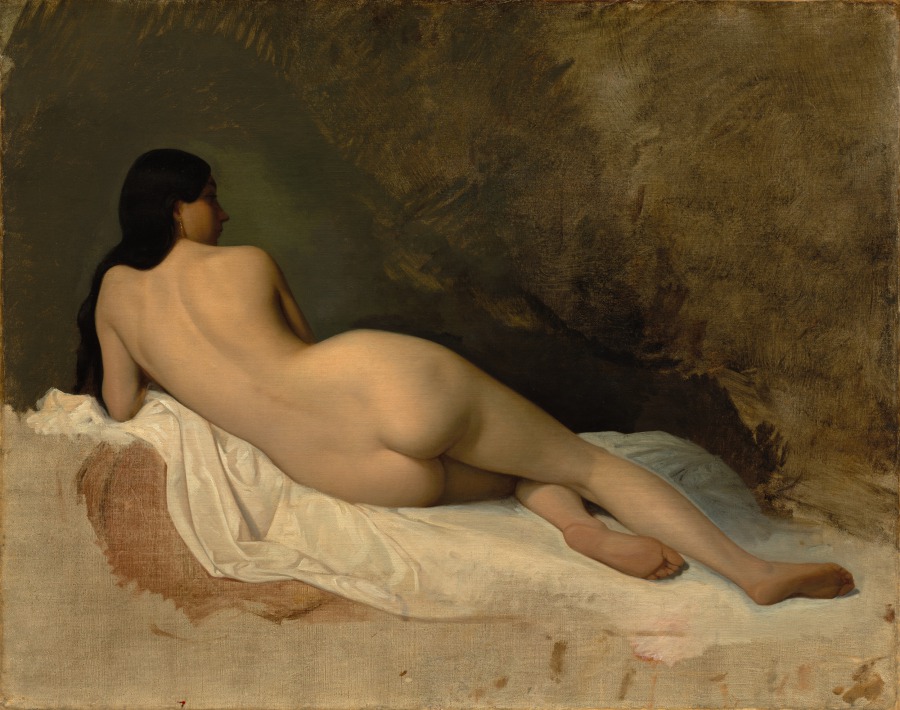
The languorous, sensuous pose of this woman is strongly reminiscent of Jean Auguste Dominique Ingres's popular paintings of odalisques, female slaves, and concubines in …
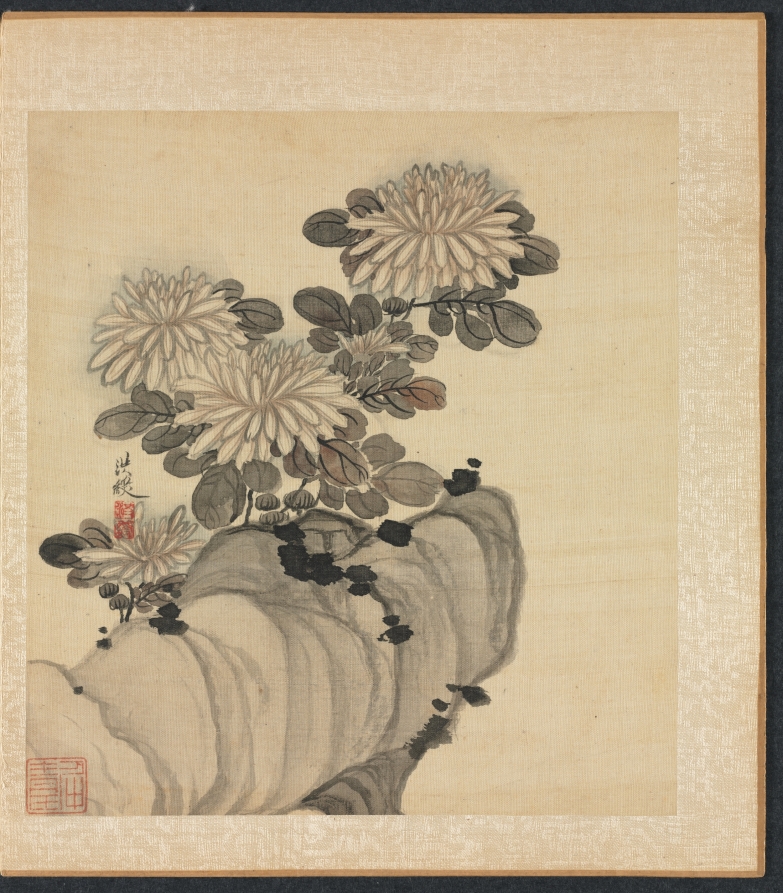
The twenty paintings in this double album by Chen Hongshou include landscapes, figures, and flowers. It also has one leaf featuring a woman, an often-used subject not fo…
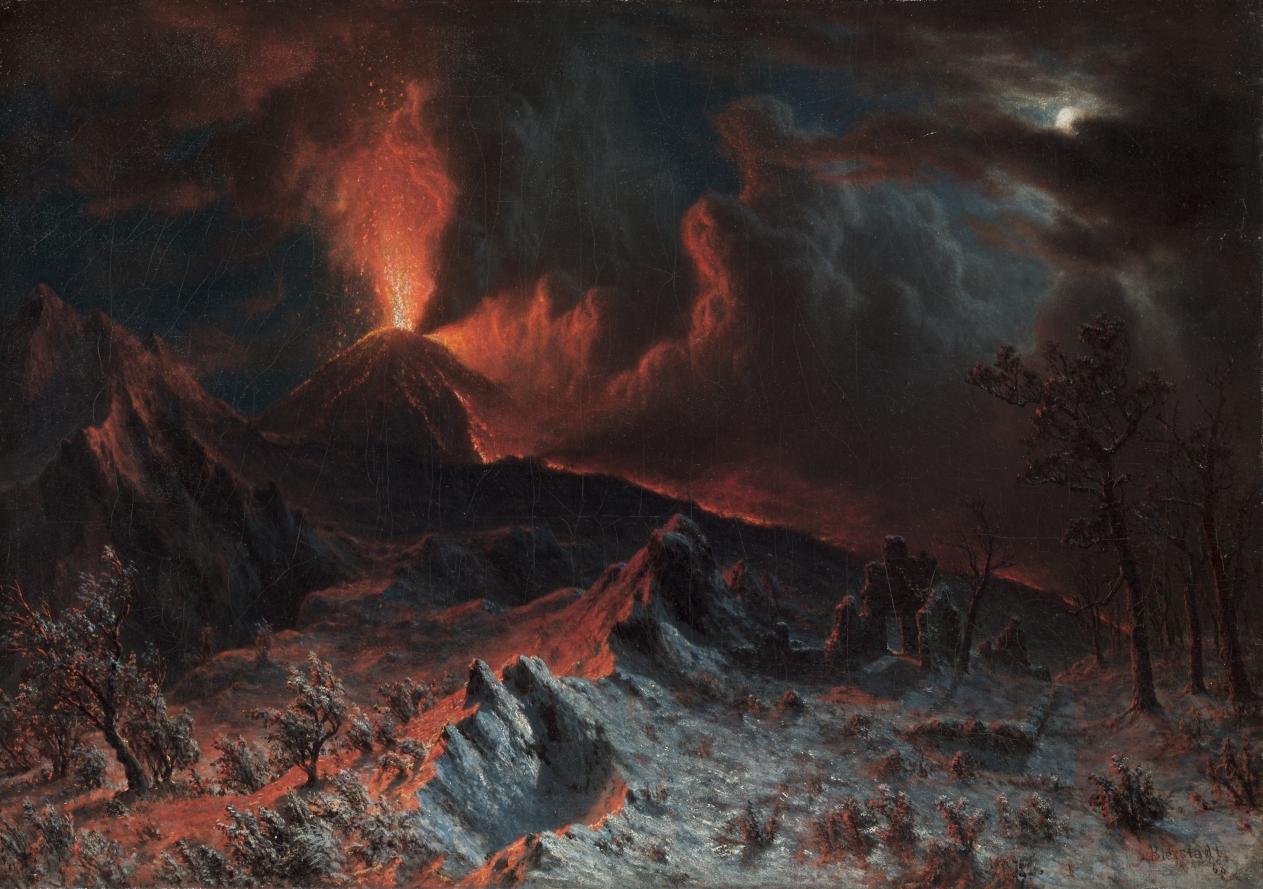
For centuries, artists and tourists have been attracted to Mount Vesuvius, a volcano near Naples. While living in London in 1868, Albert Bierstadt heard that the volcano…
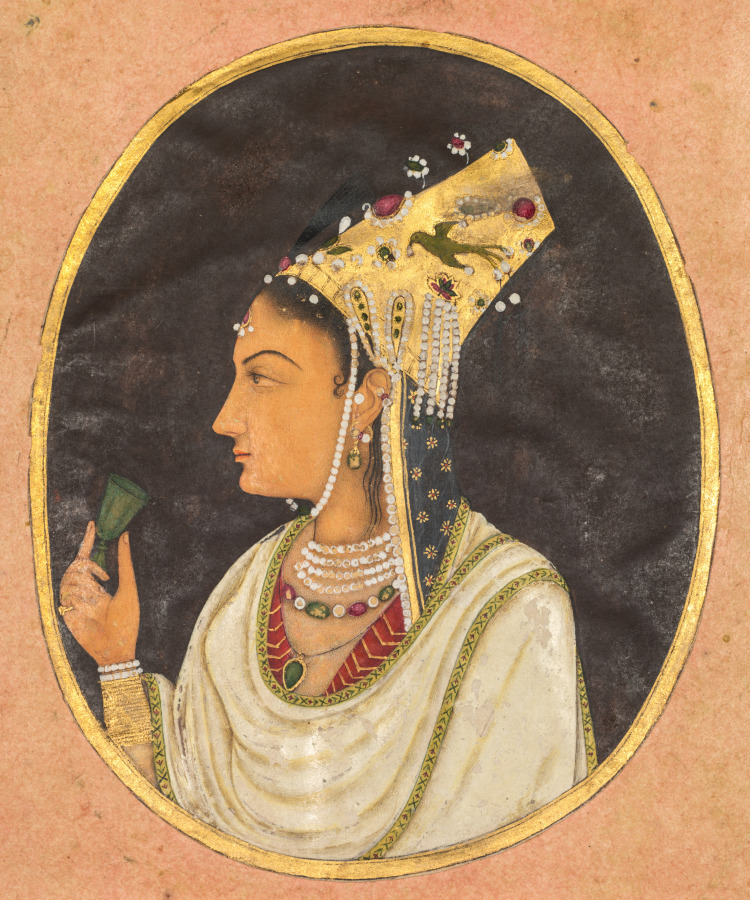
The tall, flat-topped hat is an element of the native dress of the Mughals from eastern Uzbekistan. Of mixed Turkic and Mongol ethnicities, they spoke a Turkic language …
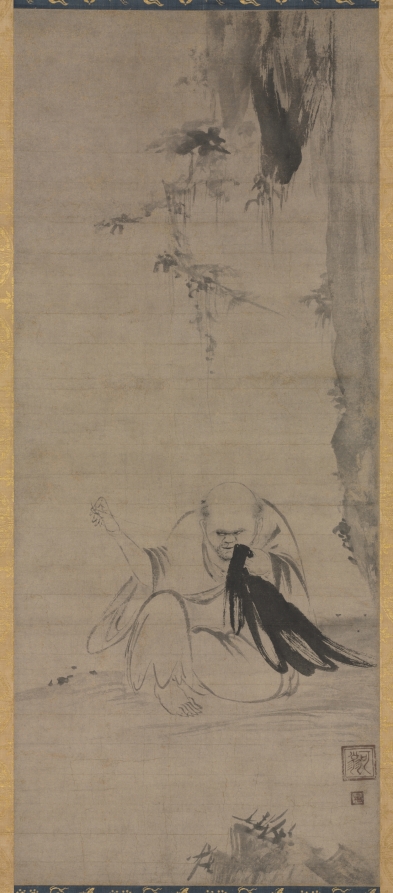
This painting illustrates the Zen ideal of cultivating one’s spirit through all moments of life, from the mundane to the marvelous. The monk pictured is simply mending h…
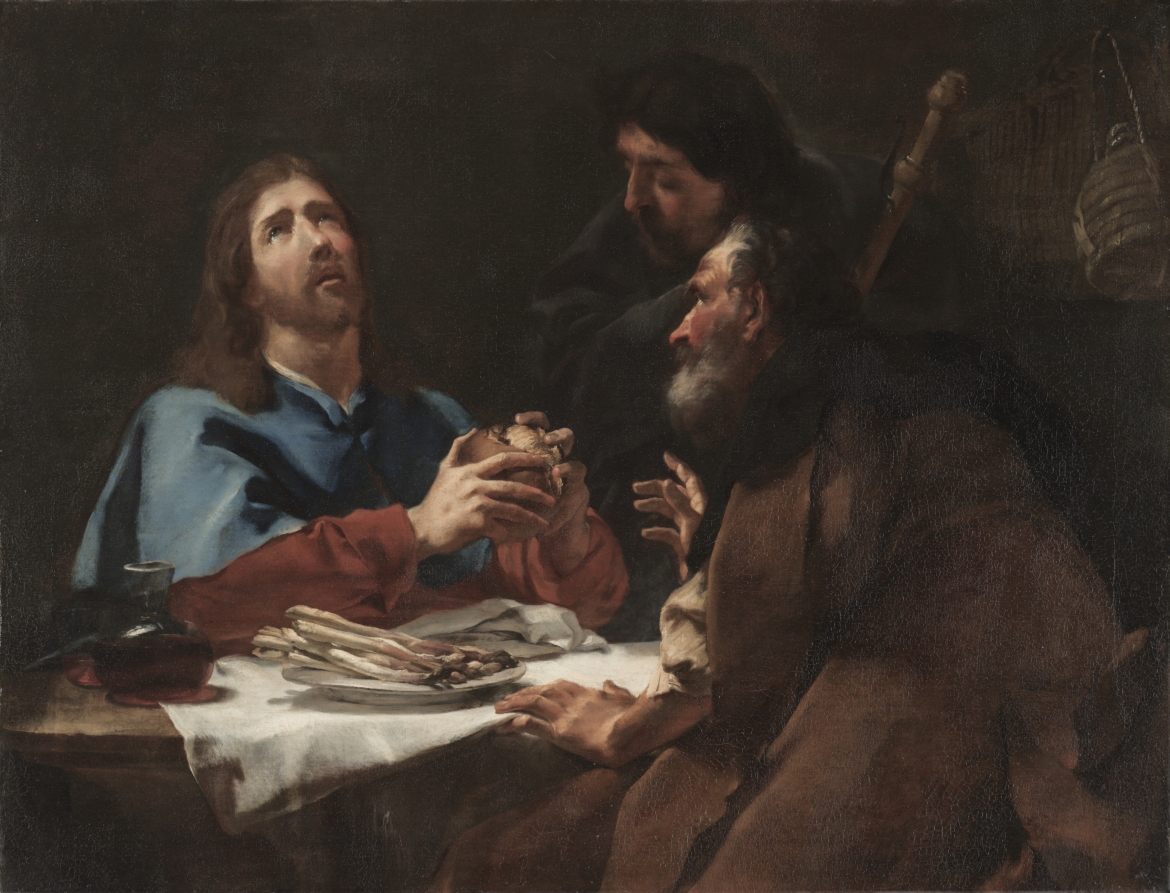
This painting depicts the biblical story of the Supper at Emmaus, when the disguised, resurrected Christ suddenly reveals himself to two astonished disciples as they all…
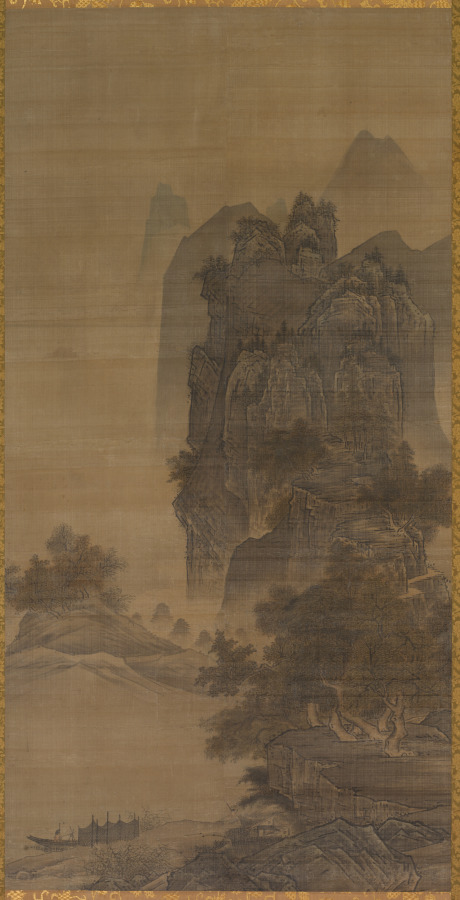
This painting and CMA 2015.589 belong to a group that was likely mounted as a pair of four-panel folding screens focusing on the Eight Views of Xiao-Xiang, a theme cente…
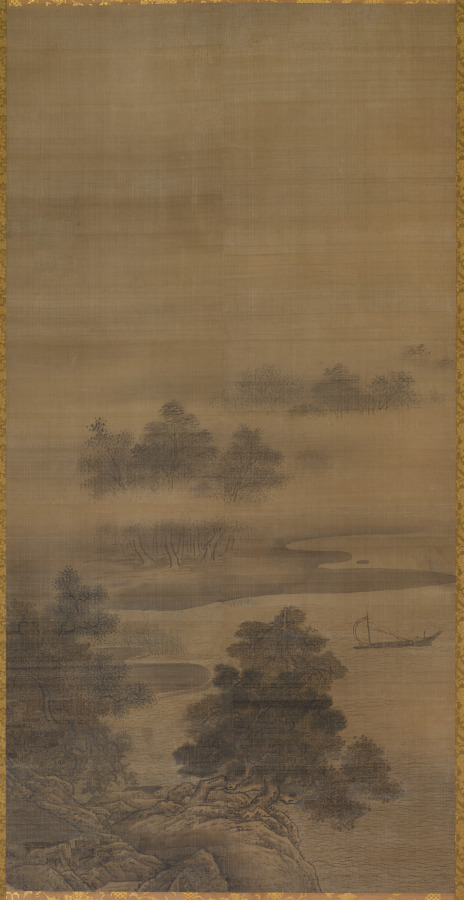
This painting and CMA 2015.590 belong to a group that was likely mounted as a pair of four-panel folding screens focusing on the Eight Views of Xiao-Xiang, a theme cente…
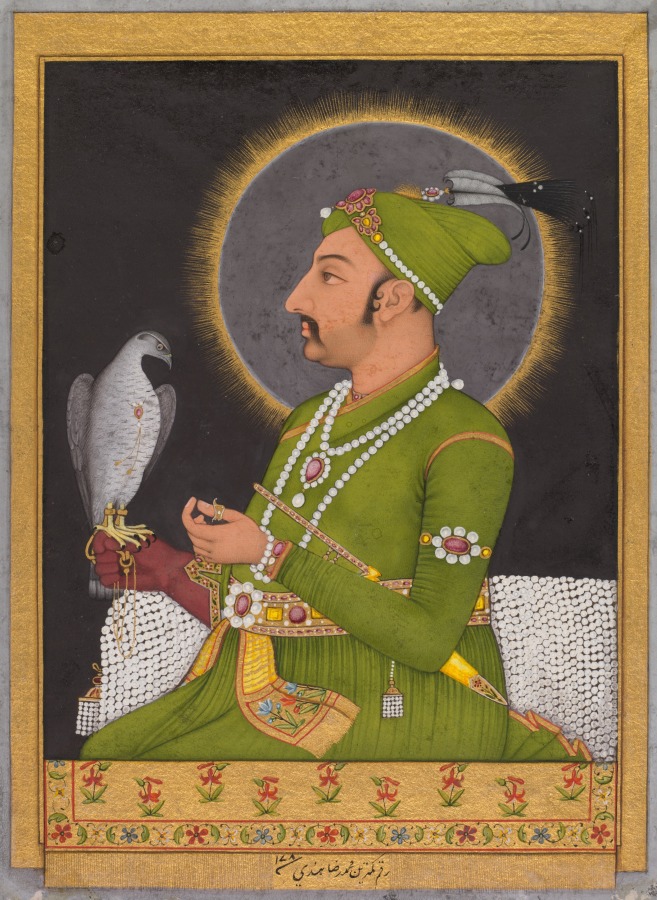
The artist used the carpet, the floor cushion, and the halo to indicate the royal status of the seated figure. He has turned the picture plane into the space of a window…
By the 1500s, visits to historic and scenic sites in the lower Yangzi delta stimulated an increase of printed illustrated travel books. Topographical depictions of local…
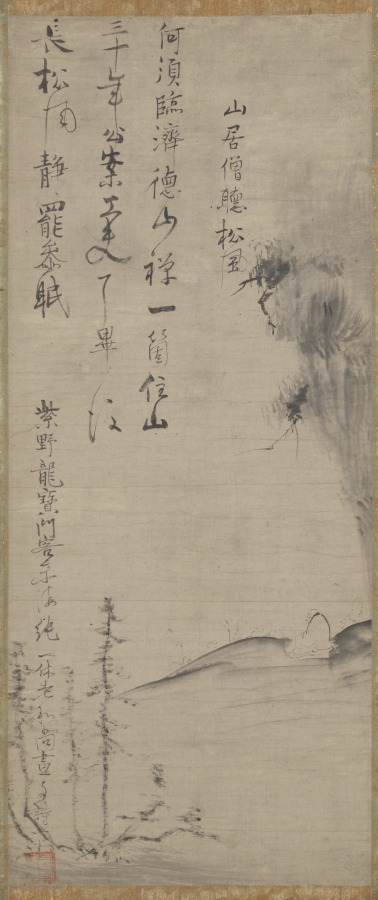
A monk sits in contemplation below an overhang covered with pine. The poem, titled "Monk in the Mountains Listening to the Wind in the Pines," refers to two Chinese Chan…
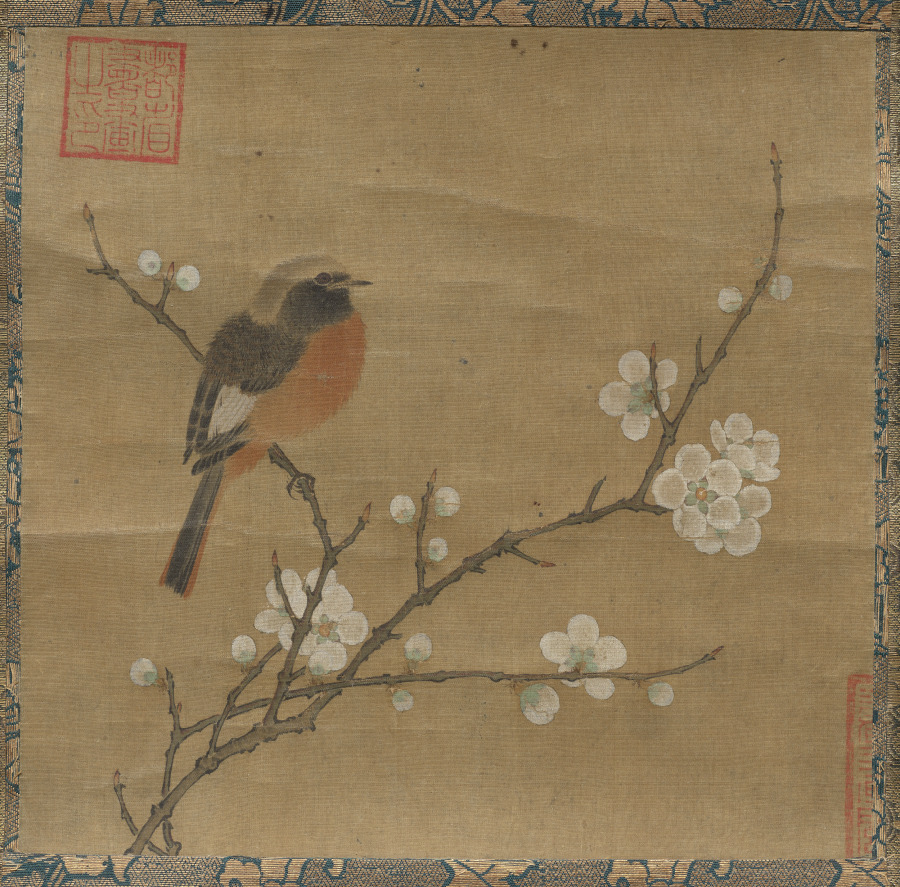
A male redstart sits hunched on the branch of a flowering plum tree in early spring. The bird’s plumage is rendered in fine detail with a great naturalistic sense, chara…
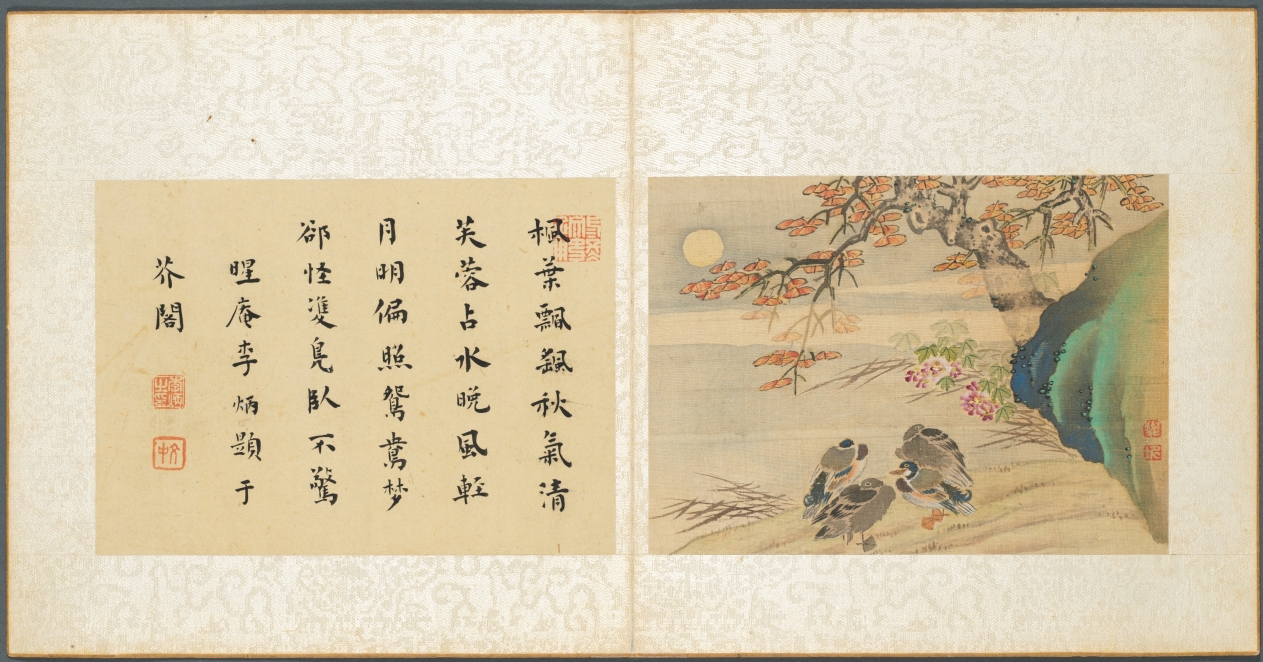
Leaf 8 Li Bing's colophon reads: Maple leaves drift in the wind, the autumn gusts bracing, Hibiscus flowers steeped with water, the evening breeze light. The moonlight's…
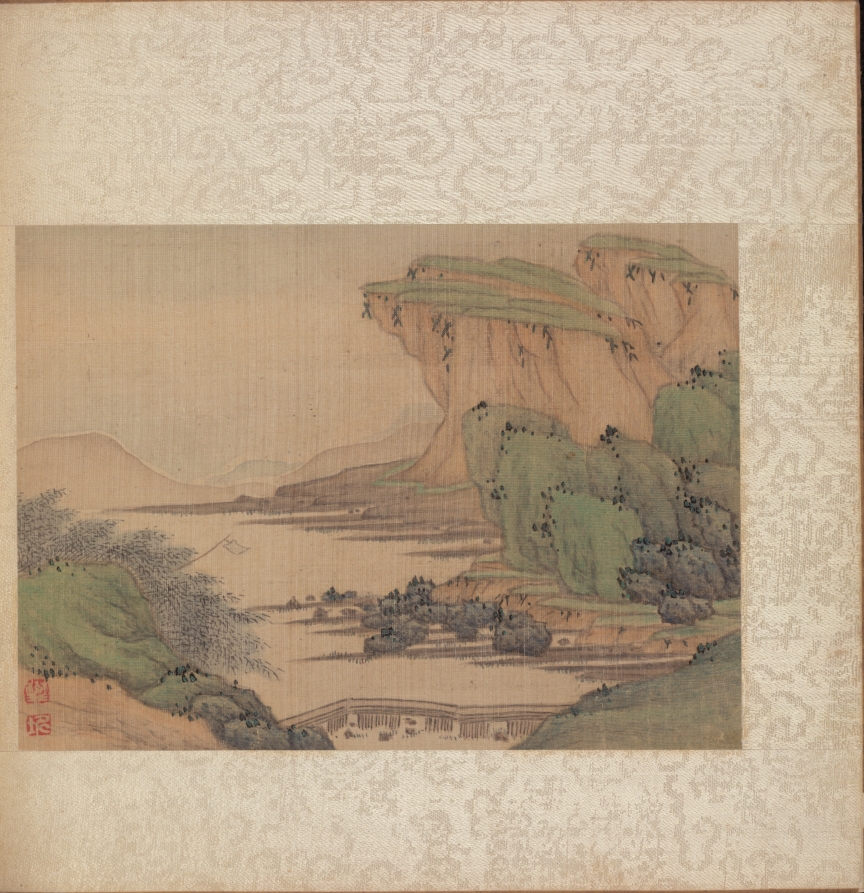
Fan Qi's painting on this second leaf of the album is, perhaps, based on Du Mu's poetic line: The herdboy pointed to the distant Apricot Village. Han Tan's calligraphic …
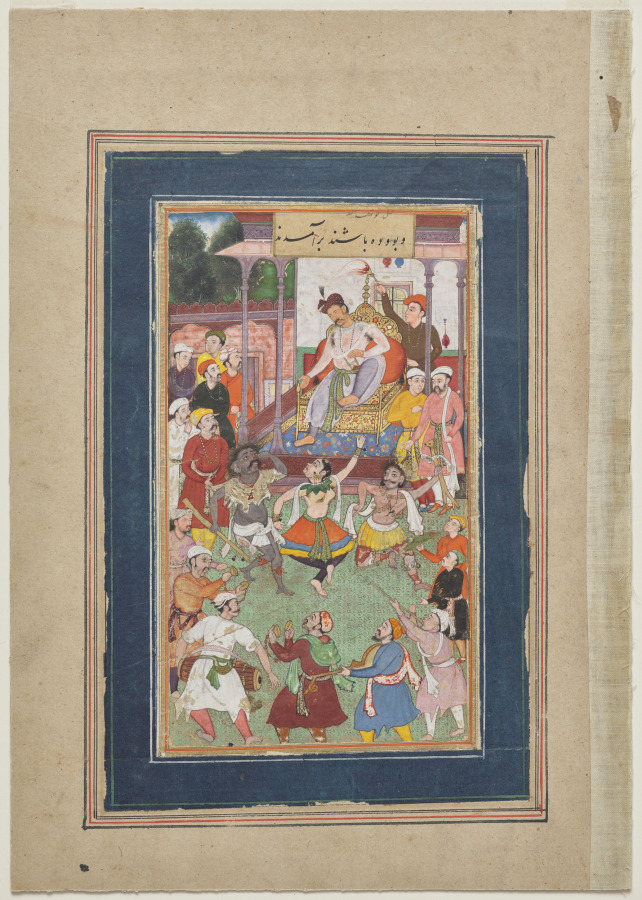
This scene from an unidentified manuscript depicts entertainers at the Mughal court. The dancers appear to be from the fringes of society, and they may be intended to de…
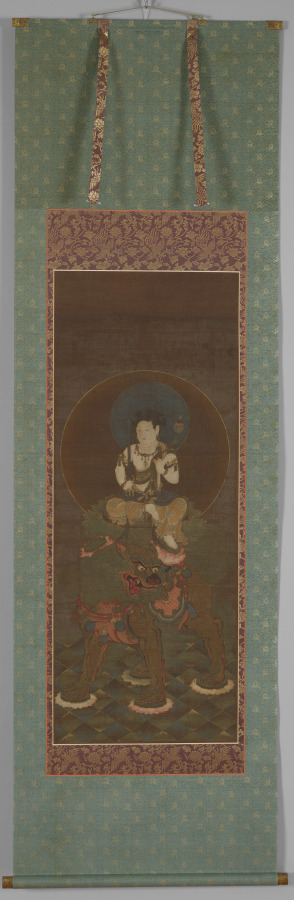
This Buddhist painting shows Monju, Manjushri in Sanskrit, riding a lion. Monju is a bodhisattva, a being who, though enlightened, chooses not to become a Buddha but ins…
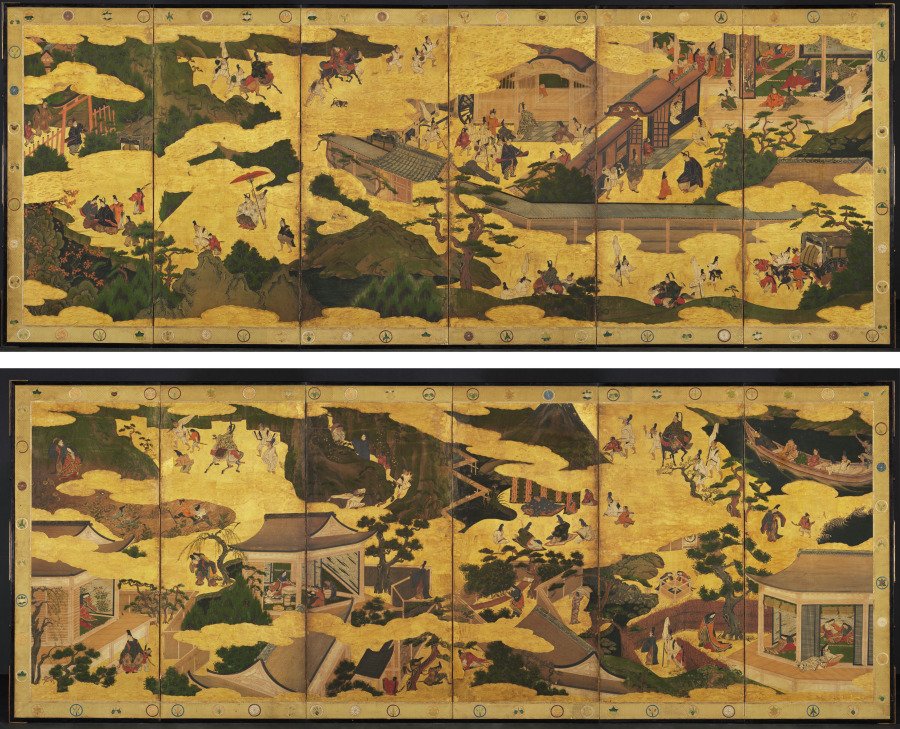
While the 11th century Tale of Genji is universally regarded as Japan's literary masterpiece, the source for visual imagery in Japanese culture is rivaled by another lit…